
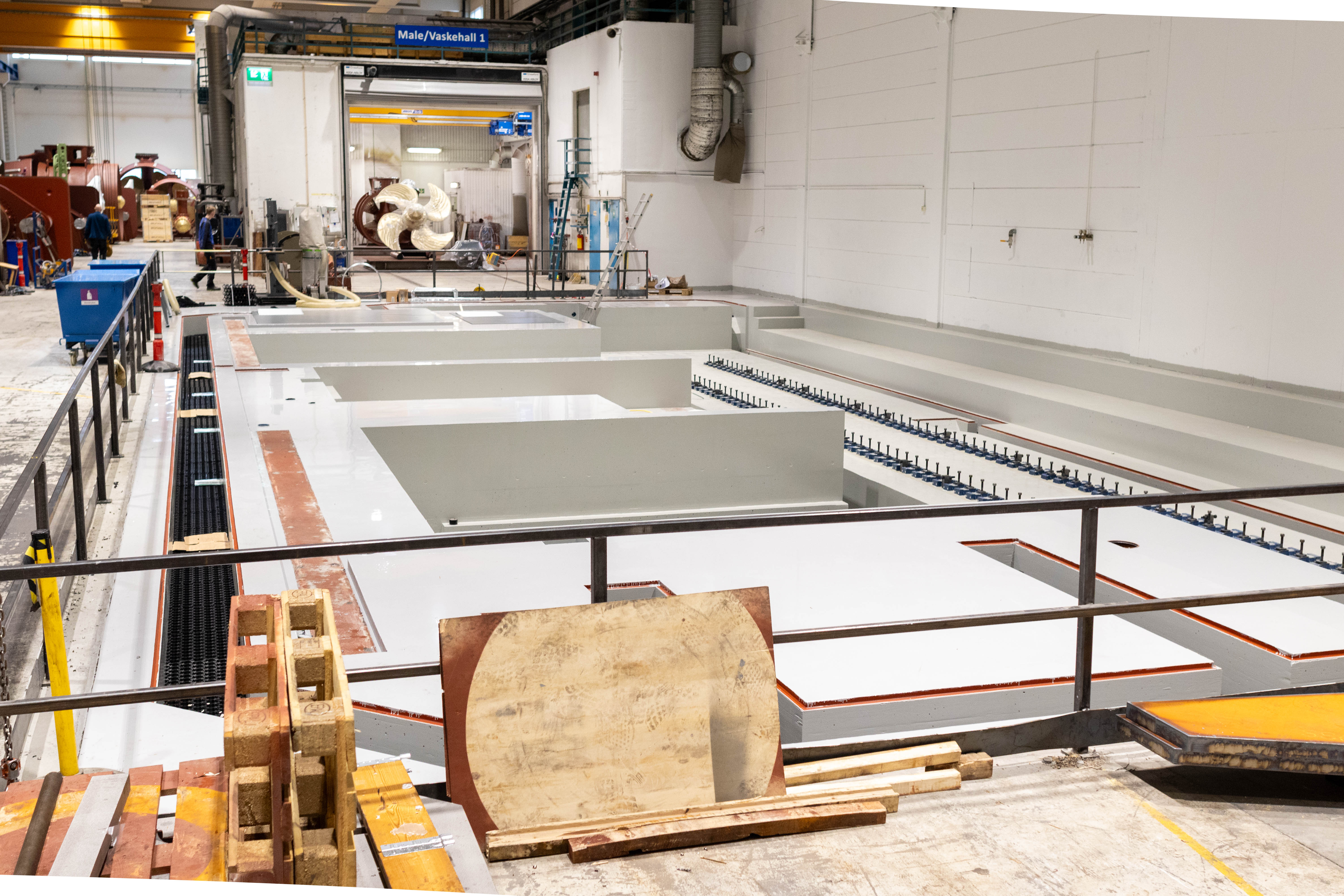
A key part of the investment has been the construction of new foundations to support the 24-metre-long machines. These foundations were designed with sustainability in mind. Brunvoll used low-carbon concrete (class B), reducing emissions by approximately 80 kg CO₂ per cubic metre, achieving a total reduction of 40 tonnes of CO₂ at the Molde site alone. Further emissions were avoided by replacing deep concrete sections with steel-reinforced pilar structures and crushed stone, cutting the concrete volume by an additional 200 m³. These choices align with Brunvoll’s wider adoption of low-carbon concrete, documented to reduce emissions by 155 tonnes CO₂ equivalents across related projects in 2023–2024. Together, these measures demonstrate how infrastructure improvements can contribute meaningfully to climate targets. Not only through operational efficiency, but also through responsible construction.
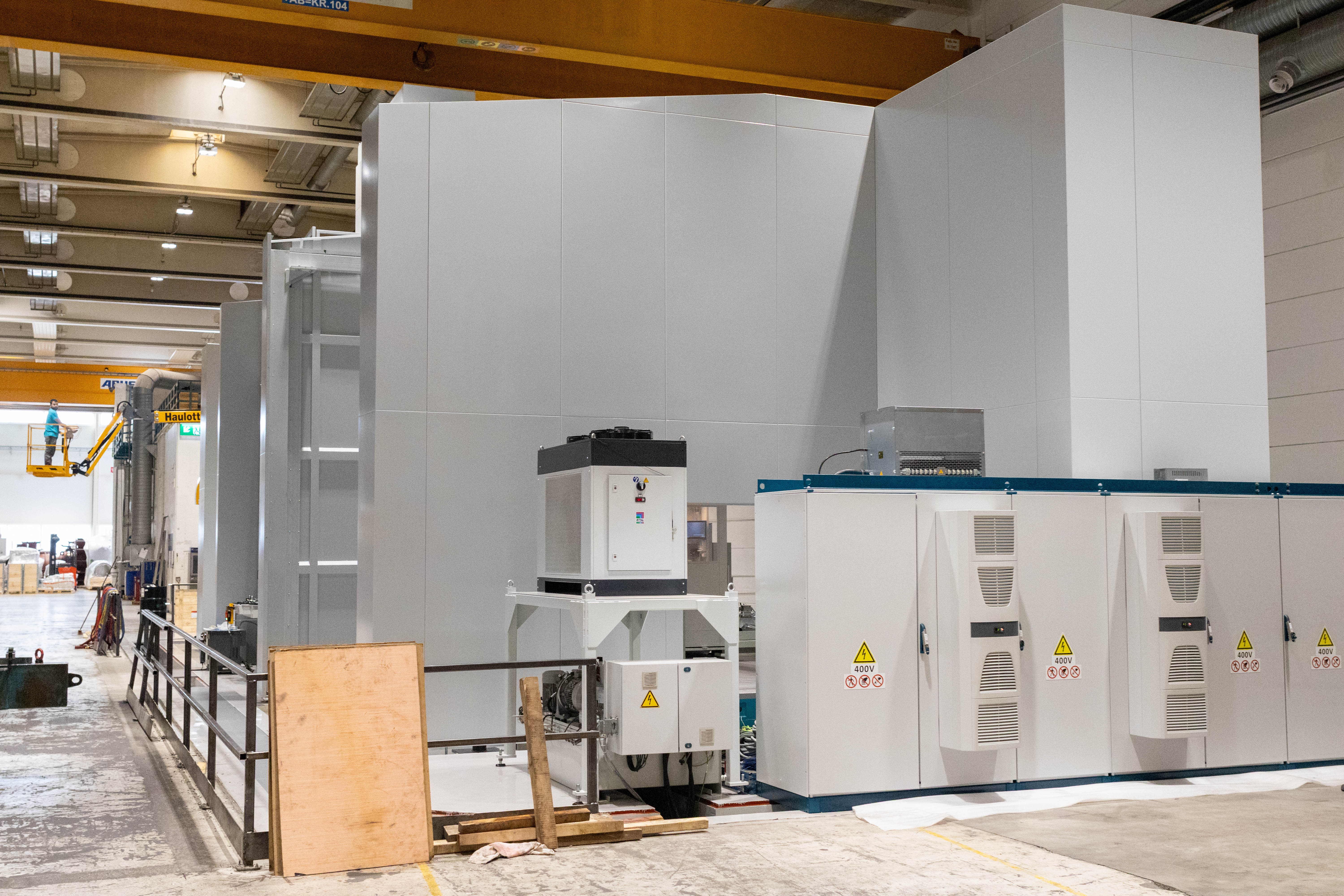
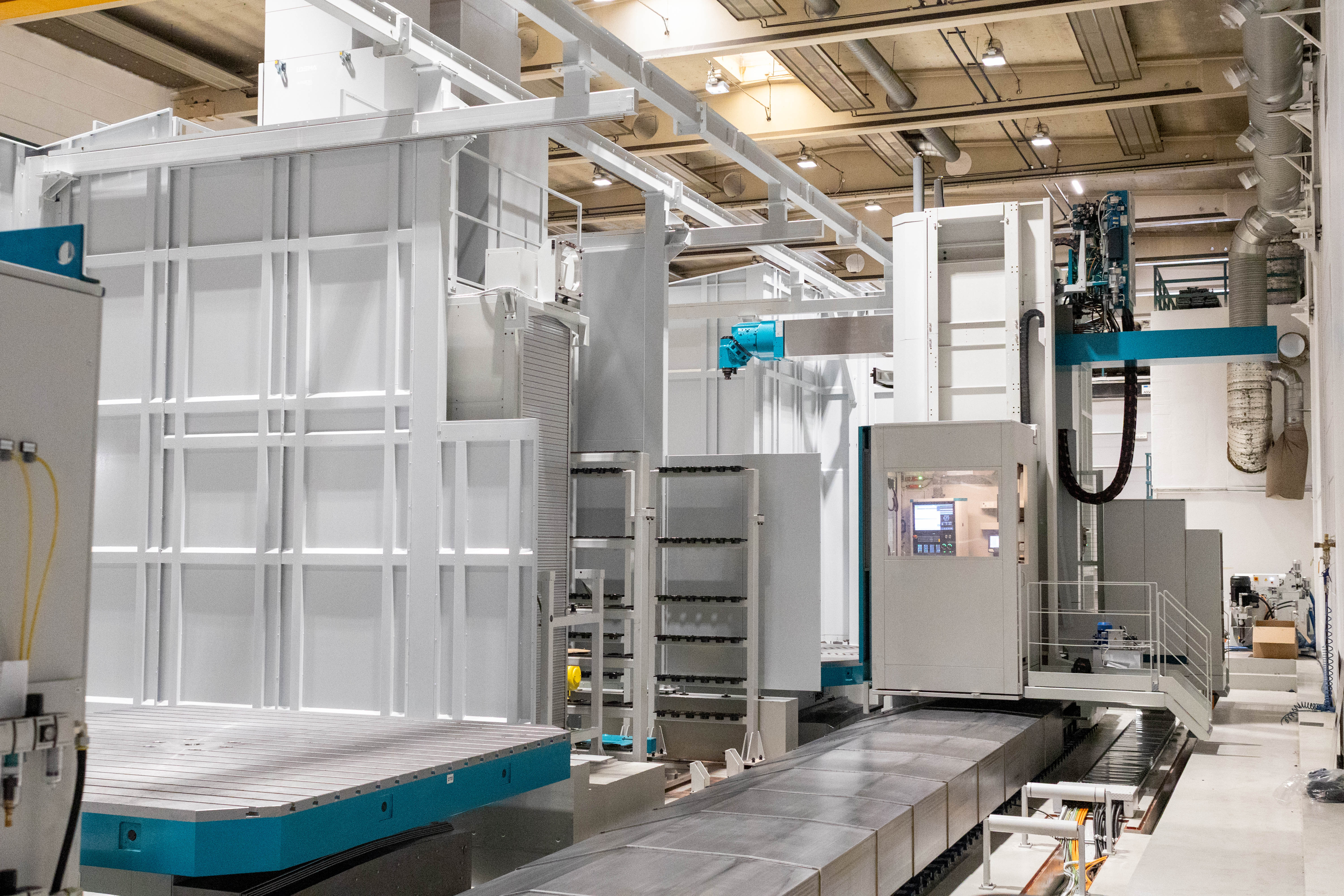
The new machining centres are equipped with highly automated functionality, enabling longer periods of unmanned operation and more efficient use of electricity. This reduces energy demand per produced part and decreases material waste, thanks to improved precision and process stability. Automation also strengthens Brunvoll’s resilience by increasing throughput without proportional increases in resource use, supporting sustainable growth while limiting environmental impact.
The investment expands Brunvoll’s ability to machine complex components with higher accuracy, reducing the need for rework and scrap. Modern measurement and machining technologies lead to consistent tolerances and better surface finishes, which in turn extend component lifetimes. Lower waste generation and improved resource efficiency are natural outcomes of these advancements, underscoring the link between production quality and sustainability.
As Group CEO Kåre Øyvind Vassdal puts it,
“We are convinced that having a fully integrated value chain where we have complete control from A to Z is the right thing for Brunvoll and our further development.”
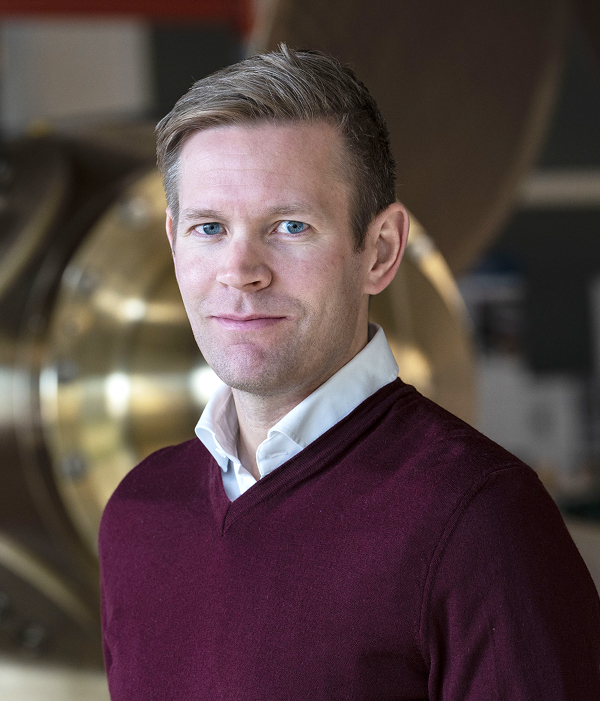
According to Kåre Øyvind Vassdal,
“Despite a business policy from the government that continually challenges local Norwegian ownership and production, we at Brunvoll are incredibly proud that as a family-owned group, we once again take a leap and invest significantly to enhance our competitiveness.”
This investment in Molde and Volda is more than an upgrade in capacity. It reinforces Brunvoll’s long-standing philosophy of producing in Norway, maintaining control over environmental performance, and ensuring high standards of safety and quality. It also supports continued growth in a more sustainable manner: reducing emissions, minimising waste, and strengthening the industrial foundation of the region.


